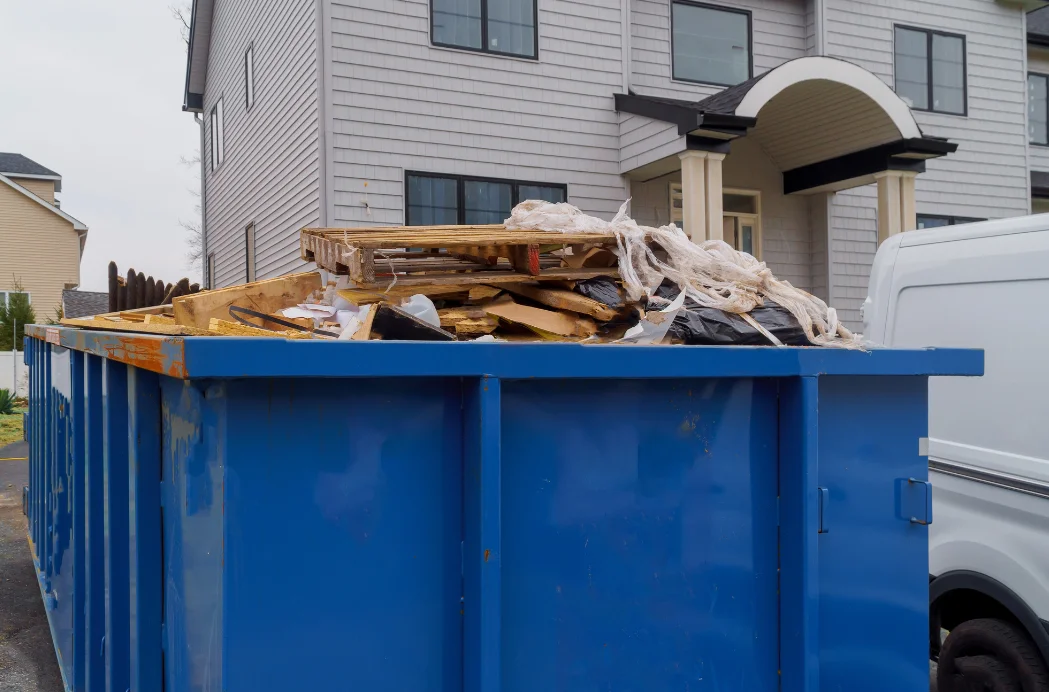
Clearing out your home, tackling a garden overhaul, or dealing with renovation debris often leads people to think about hiring a skip. It’s familiar, straightforward, and widely promoted as the go-to choice. But skip hire isn’t always as convenient as it seems. Space restrictions, permit requirements, limited capacity and the inconvenience of having a large container outside your property for days can make the process more stressful than expected.
Because of this, many UK households and businesses are searching for a more practical alternative to skip hire. Whether you want something more flexible, more affordable, or simply easier to manage, there are plenty of modern options that can take the weight off your shoulders. This guide explores those smarter alternatives, helping you find a waste removal method that suits your project, property and schedule.
1. How to Reduce Skip Hire Costs
If you’re still leaning toward hiring a skip but want to manage expenses, a few practical adjustments can help.
Place your Skip on Private Property
Whenever possible, keep the skip in your own driveway or garden. This avoids the need for a council permit altogether and keeps the process straightforward. It also makes it easier for the skip company to deliver and collect without disruption.
Avoid Placing a Skip on Public land or verges
Some people assume public grass verges are safe spots for skip placement. In reality, this can cause ground damage and lead to penalties from local authorities. Keeping the skip on a stable, legal surface prevents unexpected charges and keeps the process smoother.
Ensure You Have the Correct Skip Permit
If you do need to place your skip on the road, securing the correct permit is essential. Skipping this step can lead to fines or forced removal by the council. Having the proper paperwork avoids trouble and keeps your project running without delays.
Choose the Right Skip Size
Oversizing a skip means paying for capacity you’ll never fill, while choosing a smaller one risks overflow issues. Assess your waste first, separate items, flatten boxes, and remove reusable materials, to estimate what size makes sense.
Make the Most of Your Skip Space Efficiently
Pack smartly. Break down furniture, flatten cardboard, and place bulkier items at the bottom. Efficient packing ensures you maximise the space you’re paying for, preventing the need for an additional skip later.
Use Skip Hire During Off-Peak Periods
While you won’t see dramatic differences, skip demand does fluctuate. Booking during quieter seasons or weekdays can sometimes give you a more flexible arrangement and make it easier to get the delivery time you want. May and June are the busiest times for skip hire in the UK so if you can do your work over the winter you may get a more competitive price, or if not, you may have more choice with timings.
Even with these cost-saving measures, a skip won’t always be the most convenient choice. That’s why so many UK residents search for an alternative to skip hire that fits their exact situation.
2. Man & Van Rubbish Removal Services
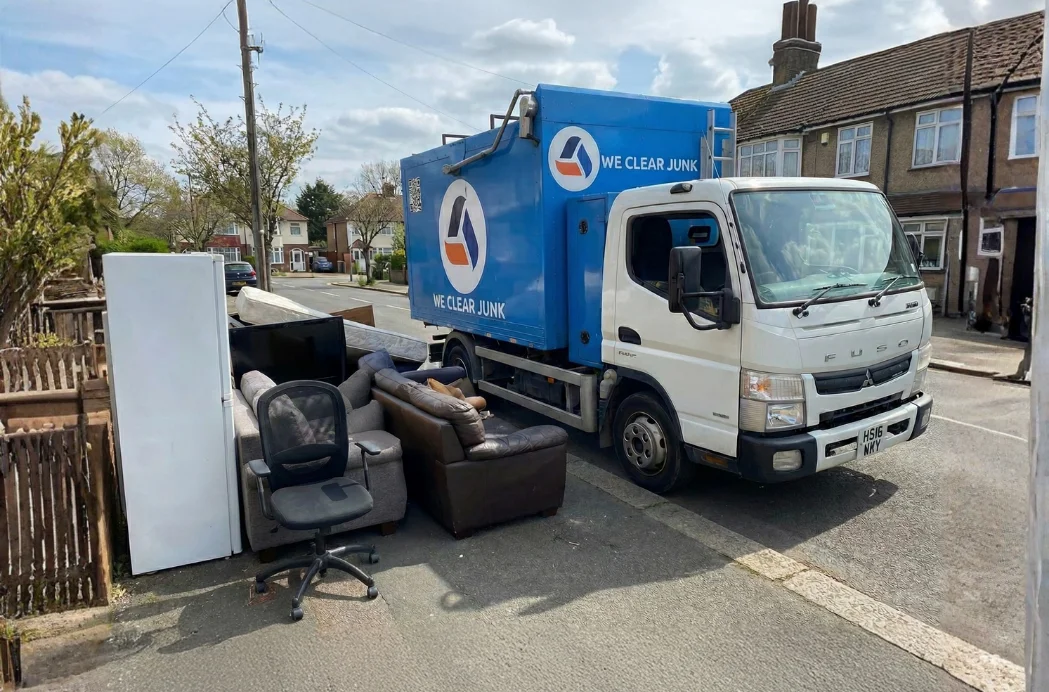
For many people, a man and van rubbish removal service is the most convenient alternative to skip hire. It’s a simple concept: a team arrives, loads the waste for you, and takes everything away in one visit. You don’t need a permit, you don’t need to worry about choosing the correct skip size, and you don’t need to move heavy items yourself.
This option is particularly popular among households dealing with bulky furniture, garden rubbish, appliances and mixed waste. Because the team handles the lifting and sorting, it’s also ideal for people who aren’t able to manage heavy items or who simply want a faster, easier solution. Whether you’re clearing out a spare room, tidying the garden, or removing the remains of a renovation project, a man and van service offers a level of flexibility and speed that skips cannot.
3. Council Bulky Waste Collection
If you only have a few items to get rid of, your local council may offer a bulky waste collection service. This is a practical option for sofas, mattresses, wardrobes and similar household items. The main advantage is convenience, your council handles the disposal for you, and the service is designed for residents who are clearing larger pieces that normal bins can’t handle.
However, council collections are usually scheduled in advance, meaning you may need to wait for the next available slot. This makes it a good option for non-urgent clearances but less suitable if you need same-day or quick disposal. Still, for households with minimal clutter and a bit of flexibility, it’s an easy way to manage one-off large items without the need for a skip.
4. Skip Bag (Junk Bag) Service
Skip bags are another increasingly popular skip hire alternative. They are lightweight, easy to store, and simple to set up. You unfold the bag, fill it at your own pace, and arrange a collection when it suits you. Because the bags are compact and don’t require permits, they’re perfect for smaller areas where a traditional skip wouldn’t fit.
Homeowners often use skip bags for DIY waste, soil, hedge trimmings, small building debris and general household clutter. Their flexibility is what makes them appealing. You aren’t pressured to fill them quickly, so you can take your time completing your project. For UK residents working on modest renovations or garden clearances, skip bags offer an affordable, space-saving alternative that blends convenience and practicality.
With some skip bag companies, you must place the skip bag where a grab lorry can collect it. Failure to do so can result in extra charges (for a 2nd visit and “hand balling” / manual loading of your waste.
5. Recycling Centres (Local Household Waste Recycling Facilities)
If you’re able to transport waste yourself, your local recycling centre is one of the most environmentally responsible options for household waste collection. Recycling centres across the UK accept a wide variety of materials, including wood, metal, cardboard, soil, garden waste, and electrical items. This makes them a practical choice for households trying to reduce landfill use and dispose of waste in a more eco-friendly way.
Using a recycling centre can be especially useful when you have items that can be separated into categories. Many centres have dedicated sections for different materials, ensuring everything is processed appropriately. Although this option requires you to load and transport the waste yourself, it’s ideal for smaller weekend garden projects, shed clear-outs, or when you’re organising a mixture of recyclable materials.
6. Professional House & Office Clearance Services
For large-scale clearances, a professional house or office clearance service can be the most efficient route. These are often also “Man and van rubbish removal” companies. They specialise in taking care of everything from sorting and loading to removing and recycling. They are commonly used for end-of-tenancy situations, probate clearances, downsizing moves and office refurbishments.
What sets full clearance services apart is the level of support they provide. Instead of hiring a skip and doing the heavy lifting yourself, a team manages the entire process. This is especially helpful when dealing with years’ worth of accumulated belongings or when clearing a property after a major life event. The convenience of having professionals handle every aspect of the job makes this one of the most stress-free waste removal methods available.
7. Why Are Skip Costs So High?
Now that the alternatives have been explored, it’s worth understanding why skip hire can feel so expensive in the first place. A major factor behind the rising cost is the increasing expense of waste processing. Waste centres across the UK operate under strict environmental regulations, and the fees they charge waste collectors have risen substantially. These charges are then passed on to customers who hire skips.
Transportation also plays a significant role. Skip lorries are heavy vehicles that consume more fuel, require skilled drivers, and often make multiple trips between sites and disposal facilities. This combination of labour and fuel consumption adds to the overall cost.
Permits further influence the price. In towns and cities where private driveways are limited, many households have no choice but to place skips on public roads. Councils require permits for this, and the cost varies depending on the region. You often need two permits:
Skip Permit (Highway Skip Permit):
This licence is required to place a skip on any public highway, road, or verge to ensure safety and manage traffic flow. It is a legal requirement under the Highways Act.
Parking Permit (Parking Bay Suspension Permit/Dispensation):
If a skip is to be placed is a controlled parking zone (e.g., a residents’ parking bay, pay and display bay, or yellow lines), you must also get a separate parking suspension. This suspends the parking restrictions for that space.
Finally, the fixed nature of skip sizes often means you pay for capacity you don’t fully use. The lack of flexibility in skip sizing can make the service feel less economical than it should be.
Conclusion
While skip hire remains a familiar option, it’s no longer your only choice, nor is it always the most convenient one. Whether you need something fast, flexible, eco-friendly or better suited to smaller spaces, there is an alternative to skip hire that matches your needs perfectly. From man and van services to skip bags, recycling centres and professional house or office clearances, the UK now offers more adaptable waste solutions than ever. By understanding your project, your available space and the type of waste you’re handling, you can choose a smarter, simpler and more efficient way to clear your clutter.
Frequently Asked Questions
What is the best alternative to skip hire for household waste?
For most households, a man and van rubbish removal service is the fastest and most flexible alternative. It usually includes loading support, doesn’t require permits, and works well for mixed or bulky waste.
When is skip hire still the better option?
Skip hire still works well for large renovation projects with steady waste output, especially when you have private space for a skip and don’t mind keeping it on-site for several days. But many people still prefer alternatives when they need faster or more flexible removal.
Do skip alternatives handle mixed waste types?
Most alternatives accept mixed household waste, garden materials, furniture and renovation debris in one go. This is ideal when you don’t want to separate materials or deal with skip-size limitations.
Are skip hire alternatives suitable for renovation projects?
Yes. Options like skip bags and man & van services work well for bathroom rip-outs, kitchen removals, flooring waste and DIY debris, especially if you prefer quick clearance without a skip sitting outside for days.