
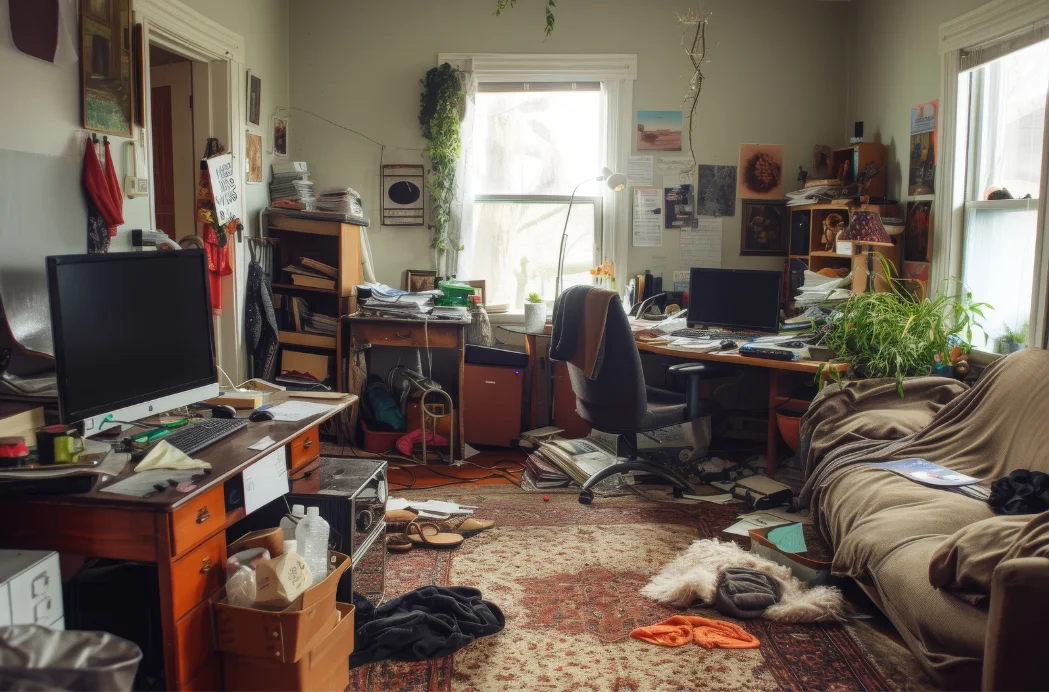
Losing a loved one is one of life’s most challenging experiences. Alongside the emotional impact, dealing with their possessions can feel overwhelming. House clearance after death is a sensitive and often complex process that requires careful planning, organisation, and emotional support. Whether you are the executor of the estate, a family member, or a close friend, understanding the steps involved can help make this task more manageable and ensure the property is handled respectfully.
This guide provides a compassionate, step-by-step approach to house clearance after death, covering legal responsibilities, practical considerations, and ways to preserve memories while efficiently managing the estate.
Understanding House Clearance After Death
House clearance after death refers to the process of removing belongings, furniture, and personal items from a deceased person’s home. Unlike standard house clearance, this process requires sensitivity because it often involves items with strong sentimental value.
House clearance is not only about physically removing items—it’s about making thoughtful decisions, preserving memories, and respecting the deceased’s wishes. Families may feel unsure where to start, especially when faced with a property filled with decades of personal belongings.
House clearance services are often invaluable. Teams can handle possessions carefully, organise sorting, and support families during a difficult time. These services ensure that belongings are treated with dignity, recycled responsibly, or passed on to family or charities.
Step 1: Planning the Clearance Process
Before beginning the physical work, it’s essential to plan carefully. Grief can make decision-making difficult, and tackling a full house at once can feel overwhelming. A clear plan reduces stress and ensures nothing is overlooked.
Key steps for planning include:
- Listing tasks: Identify what needs to be sorted, removed, or donated. Include smaller but important tasks like handling documents or photographs.
- Categorising items: Decide which possessions should be kept, donated, sold, or disposed of.
- Setting a timeline: Break the clearance into manageable stages. Large properties may need several days or even weeks to complete.
- Assigning responsibilities: Ask family or friends to assist with specific tasks. Sharing responsibilities ensures no one person feels burdened.
Planning also allows you to anticipate emotional challenges, ensuring that time is set aside to pause, reflect, or consult family members when handling sentimental items.
Step 2: Legal and Estate Responsibilities
Handling a deceased person’s property involves legal responsibilities. If you are the executor or administrator, it is important to ensure that the clearance is carried out in accordance with the law and the will.
Key considerations include:
- Checking the will: Look for instructions regarding possessions, heirlooms, or sentimental items.
- Probate requirements: Ensure clearance activities do not conflict with the legal management of the estate.
- Sensitive items: Documents, prescriptions, and valuables may require careful handling or secure storage.
Executors must act responsibly and in the best interest of beneficiaries. Keeping detailed records and following legal guidance prevents disputes and ensures the estate is managed transparently.
Step 3: Sorting Belongings with Care
Sorting possessions is often the most time-consuming and emotional part of house clearance after death. Proper categorisation ensures items are dealt with thoughtfully and responsibly.
Common categories include:
- Keep: Items with sentimental value or legal importance, such as documents, photographs, or personal mementos.
- Donate: Clothing, books, or household items that are in good condition but no longer needed by the family.
- Sell: Antiques, collectibles, or furniture that may have monetary value.
- Recycle or dispose: Broken furniture, unusable electronics, or items beyond repair.
During this process:
- Use boxes or containers for each category.
- Take photographs of valuable or sentimental items for records.
- Involve family members in decisions about keepsakes to ensure memories are preserved.
Sorting can be overwhelming, so break it down room by room. Tackling one area at a time makes the process manageable and less emotionally taxing.
Step 4: Using House Clearance Services
For many families, managing the entire clearance alone is physically and emotionally demanding. House clearance after death services can offer essential support, such as:
- Removing and disposing of unwanted items efficiently
- Recycling and donating items to charities responsibly
- Packing items carefully for storage or transfer to relatives
- Handling hazardous materials, electrical appliances, or bulky furniture
Using a service allows families to focus on emotional well-being and decision-making, rather than physically moving items or worrying about compliance.
Step 5: Handling Sentimental and Personal Items
Sentimental items often evoke strong emotions. These can include:
- Photographs, letters, and journals
- Family heirlooms or jewellery
- Clothing, personal effects, and keepsakes
Tips for handling sentimental items:
- Involve close family members in decisions about what to keep.
- Create memory boxes for photographs, letters, or small mementos.
- Consider digitising documents or photos to preserve memories without cluttering space.
- Pass on heirlooms to other family members as a way to honour the deceased.
Handling these items with care ensures that meaningful possessions are not lost during the clearance process.
Step 6: Responsible Disposal of Unwanted Items
Once items are sorted, the next step is removal and disposal. Proper disposal is crucial for environmental responsibility and legal compliance.
Common disposal methods include:
- Furniture removal: Broken or unwanted furniture can often be recycled or donated.
- Electrical appliances: Safely recycle electronics in accordance with local regulations.
- Hazardous materials: Batteries, chemicals, and cleaning products require specialist disposal.
- Donation: Many charities accept usable clothing, furniture, and household items.
House clearance services often handle disposal safely and efficiently, reducing stress and ensuring compliance with environmental guidelines.
Step 7: Preparing the Property After Clearance
Once items have been removed, the property should be left in a respectful and orderly condition. This step is less about deep cleaning and more about making sure the home is safe, tidy, and ready for its next stage—whether that’s probate, sale, or transfer to family.
Simple tasks may include:
- Sweeping or vacuuming floors to remove leftover debris
- Wiping down surfaces to keep rooms fresh
- Checking cupboards, drawers, and storage spaces for overlooked items
Leaving the property neat ensures nothing important has been missed and provides closure for family members visiting one last time.
Step 8: Emotional Support During the Process
Clearing a loved one’s home can stir deep emotions, especially when handling sentimental items. It’s important to recognise this as a natural part of the journey.
Ways to make the process gentler include:
- Taking regular breaks instead of trying to complete everything in one go
- Asking family members or friends to join for emotional support
- Setting aside meaningful items in a memory box for later reflection
House clearance after death is not just about emptying a property—it’s about honouring memories while making space for the next chapter. By balancing practical steps with emotional care, the process becomes more manageable.
Step 9: Documentation and Record-Keeping
Maintaining records during house clearance is essential, especially for executors or family members managing the estate. Proper documentation ensures transparency and accountability.
Documentation may include:
- Inventories of valuable items
- Lists of donated or sold possessions
- Receipts for services
- Records of conversations or agreements among family members
Detailed records help prevent misunderstandings among family members and ensure the estate is managed responsibly, providing reassurance to all involved.
Step 10: Reflecting and Honouring the Deceased
House clearance can also be an opportunity to reflect on the life of your loved one. Thoughtful ways to honour them include:
- Donating items to charity in their name
- Creating memory boxes or scrapbooks
- Sharing stories and memories with family members
This process allows families to focus on emotional closure, ensuring the clearance is not just a practical task but a meaningful tribute to the deceased.
Additional Tips for a Compassionate House Clearance
- Take it one room at a time: Breaking the task into smaller sections makes it more manageable and less emotionally draining.
- Be patient with yourself: Grief may slow the process, and that’s okay.
- Involve family members in meaningful decisions: Let relatives decide who receives sentimental items.
- Use services for large or hazardous items: Safety and efficiency are essential.
- Focus on memories, not clutter: Prioritise items that have sentimental or legal importance.
Conclusion
House clearance after death is both a practical necessity and an emotional journey. By following a structured, compassionate approach, you can manage the process efficiently while respecting the memory of your loved one. From planning and sorting possessions to using house clearance services and handling sentimental items, each step ensures the estate is cleared responsibly and thoughtfully.Remember, support from family members and trusted services can ease the burden. We Clear Junk offers expert, compassionate house clearance after death, helping you manage every step with care and respect. Book now with We Clear Junk to get professional support and make the process easier for you and your family.


