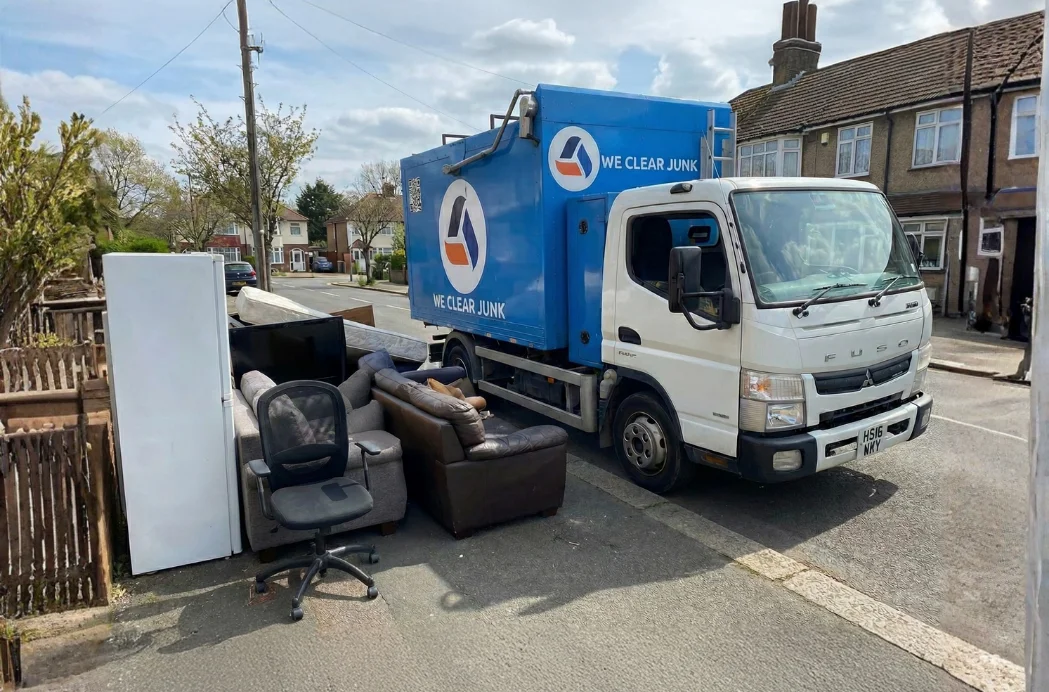
Waste can quickly pile up during home renovations, garden clearances, or construction projects. Dealing with it efficiently is essential, not just for keeping your space tidy, but also for legal and environmental reasons. That’s where skip hire comes in. It’s a convenient way to manage waste, and understanding how it works will make your project smoother and less stressful.
In this guide, we’ll explain everything you need to know about skip hire in the UK, including why you might need one, choosing the right size, permits, and the entire process from booking to collection.
What is Skip Hire?
Skip hire is a service where a company delivers a large container (or “skip”) to your property, which you can fill with unwanted waste. Once full, the skip is collected and the waste is properly disposed of or recycled.
Skips come in various types and sizes, making them suitable for both small domestic projects and large construction jobs. Some common types include:
- Mini skips: Ideal for small garden clearances or minor renovations.
- Midi skips: Perfect for medium-sized projects like bathroom or kitchen refurbishments.
- Builders skips: Suitable for larger home projects or small construction sites.
- Roll-on/Roll-off skips: Large industrial skips for big construction or commercial projects.
Skip hire isn’t just for builders or businesses. Homeowners often use skips for garden clean-ups, clearing out lofts or garages, or during house renovations. The flexibility and convenience make it a popular waste management solution across the UK.
Why Hire a Skip?
Hiring a skip offers several advantages:
- Convenience: Large amounts of waste can be collected in one place, saving time and multiple trips to a local tip.
- Efficiency: Skip hire allows you to focus on your project rather than worrying about where the rubbish will go.
- Compliance: Licensed skip hire companies ensure that waste is disposed of safely and legally, protecting you from potential fines.
- Versatility: Whether it’s a home renovation, garden clearance, or commercial construction project, there’s a skip suitable for every situation.
Whilst light bulky waste can be removed quicker by “man and van” waste collection services, skip hire can be better priced for HEAVY WASTE. In short, skip hire is a practical, hassle-free way to manage waste responsibly while keeping your project organised.
Choosing the Right Skip Size for Your Needs
Selecting the correct skip size is crucial. The right skip prevents overfilling and ensures you have enough space for all your waste. Here’s a quick guide:
- Mini skips (2–3 cubic yards): Small projects like garden waste clearances or minor DIY renovations.
- Midi skips (4–5 cubic yards): Medium projects such as kitchen or bathroom refurbishments.
- Builders skips (6–8 cubic yards): Larger home renovations, extensions, or small construction projects.
- Roll-on/Roll-off skips (20–40 cubic yards): Commercial or industrial construction projects, large-scale garden landscaping, or major clear-outs.
When choosing a skip, consider the type of waste you will dispose of, as some items take up more space than others. For example, soil, rubble, or bricks are denser and heavier, while garden waste or cardboard takes up more volume but weighs less.
Choosing the right skip service
This depends on how quickly you can load your waste and how long you need the skip on site.
- Wait and load is ideal if you have limited space or no permit, as the skip is delivered, filled immediately by you or your construction team, and taken away in one visit.
- Skip drop is the most common option, allowing the skip to be left on site for several days so you can load it at your own pace (sometimes referred to as Skip Delivery or Skip Drop-Off)
- Skip collection is used once your skip is full and ready to be removed, keeping your site clear and compliant (sometimes referred to as Skip Pickup, or Skip Removal)
- Skip exchange is helpful for larger projects, as a full skip is collected and replaced with an empty one in the same visit, ensuring work can continue without delays. Understanding these options helps you choose the most efficient and cost-effective service for your project (sometimes referred to as Skip Swap or Exchange Service)
Do You Need a Skip Permit?
In the UK, where you place your skip can determine whether a permit is needed.
- Private property: If the skip is on your driveway or garden, you generally don’t need a permit.
- Public roads or pavements: If the skip is placed on a public road or pavement, most local councils require a permit. This ensures the skip doesn’t obstruct traffic, pedestrians, or emergency access.
Skip hire companies often handle the permit process on your behalf, making it easier for you to stay compliant with local regulations. Always check with your provider and local council if you’re unsure.
What Happens During Skip Hire?
Understanding the skip hire process can help you plan efficiently and avoid surprises. Here’s what to expect:
Step 1: Booking Your Skip
Booking is straightforward. You can typically arrange your skip online, over the phone, or in person, and many companies even offer same day skip hire for urgent projects. You’ll need to provide details such as:
- Type of waste
- Project duration
- Location for delivery
- Preferred skip size
Providing accurate information ensures the right skip is delivered, and the service is smooth from the start.
Step 2: Delivery and Placement
The skip will be delivered to your specified location. Consider:
- Access: Ensure there’s enough space for the lorry to deliver the skip safely.
- Safety: Place the skip on level ground to prevent tipping.
- Permit: If it’s on a public road, the hire company will ensure the correct permit is in place.
Step 3: Filling the Skip
Once delivered, you can start filling the skip. Keep these tips in mind:
- Don’t overfill: Skips should not exceed their capacity for safety and transport reasons.
- Follow waste restrictions: Items like asbestos, chemicals, tyres, and batteries are prohibited in most skips.
- Maximise space: Break down bulky items and flatten boxes to make the most of the available space.
Step 4: Collection and Disposal
Once your project is complete or the skip is full, the hire company will collect it. The waste is then sorted and recycled wherever possible. Licensed skip hire companies prioritise environmentally responsible disposal, ensuring your waste is handled safely.
Benefits of Using Skip Hire
Beyond convenience, skip hire offers several benefits:
- Time-saving: You don’t need to make multiple trips to the tip.
- Reduced stress: Managing waste becomes simple, leaving you free to focus on your project.
- Legal disposal: Ensures compliance with UK waste regulations.
- Environmental responsibility: Most licensed companies recycle a significant proportion of the waste collected, reducing landfill impact.
Tips for a Smooth Skip Hire Experience
To make the most of your skip hire:
- Plan ahead: Book your skip well in advance, especially during busy periods.
- Estimate size correctly: Avoid under- or overestimating the amount of waste.
- Choose a licensed provider: Ensure the company is reputable, insured, and compliant with UK waste regulations.
- Follow safety rules: Handle heavy or sharp items carefully, and do not place prohibited waste in the skip.
- Check access: Make sure the delivery location is clear and accessible for the lorry.
Common Misconceptions About Skip Hire
There are a few myths around skip hire that can be confusing:
- “Any waste can go in a skip” – Not true. Hazardous materials and certain items require special disposal.
- “Skip hire is only for large projects” – Mini skips make it perfect for small domestic projects too.
- “Permits are never needed” – A permit is often required for skips placed on public roads or pavements.
Understanding these points will help you avoid problems and get the most out of your skip hire.
Conclusion
Skip hire is an essential service for anyone dealing with waste from renovations, garden clearances, or construction projects. It’s convenient, environmentally responsible, and ensures compliance with UK regulations.
By choosing the right skip size, securing permits when necessary, and following best practices for filling and collection, your waste management process can be smooth and stress-free. Whether it’s a small garden project or a large construction job, skip hire offers a practical solution for efficient waste disposal.
FAQs
How much does skip hire cost in the UK?
Skip hire prices vary depending on the skip size, location, hire duration, and the type of waste being disposed of. Additional factors such as permit requirements and restricted materials may also affect the final cost. For an accurate quote, it’s best to contact a licensed skip hire provider directly.
Do I need to be present when the skip is delivered or collected?
Not necessarily. As long as the delivery location is clearly accessible and marked, the skip can be delivered and collected without you being present. Make sure there are no parked cars or obstructions.
What happens to my waste after the skip is collected?
After collection, waste is taken to a licensed recycling facility where it is sorted. Recyclable materials are recovered wherever possible, and only non-recyclable waste is sent to landfill, helping reduce environmental impact.
Can I mix different types of waste in one skip?
Yes, most general skips allow mixed waste. However, some materials such as plasterboard, mattresses, tyres, and electrical items may require separate skips or additional charges due to recycling regulations.
How quickly can a skip be delivered?Many providers offer same-day or next-day delivery, depending on availability and your location. Early booking improves your chances, especially during busy renovation seasons.
Frequently Asked Questions
How much does skip hire cost in the UK?
Skip hire prices vary depending on the skip size, location, hire duration, and the type of waste being disposed of. Additional factors such as permit requirements and restricted materials may also affect the final cost. For an accurate quote, it’s best to contact a licensed skip hire provider directly.
Do I need to be present when the skip is delivered or collected?
Not necessarily. As long as the delivery location is clearly accessible and marked, the skip can be delivered and collected without you being present. Make sure there are no parked cars or obstructions.
What happens to my waste after the skip is collected?
After collection, waste is taken to a licensed recycling facility where it is sorted. Recyclable materials are recovered wherever possible, and only non-recyclable waste is sent to landfill, helping reduce environmental impact.
Can I mix different types of waste in one skip?
Yes, most general skips allow mixed waste. However, some materials such as plasterboard, mattresses, tyres, and electrical items may require separate skips or additional charges due to recycling regulations.
How quickly can a skip be delivered?
Many providers offer same-day or next-day delivery, depending on availability and your location. Early booking improves your chances, especially during busy renovation seasons.