Whether you’re clearing out your home, renovating a property, dealing with garden waste, or managing rubbish from a business, it’s natural to ask “how much does waste removal cost?”.
Waste removal can vary widely in price, which often leaves people unsure of the best option for their project or budget.
Costs depend on many factors, including the type of waste, volume, weight, access, location, and the service you choose. By understanding these elements, you can avoid unnecessary charges, choose the most suitable disposal method, and get the best value for money.
This guide explains everything you need to know about waste removal costs, from the services available and what influences pricing, to how to reduce your costs and choose a reputable waste removal company.
Waste Removal Options and How They Affect Cost
Before you can estimate how much waste removal costs, it helps to know the different services available. Each option has its own pricing structure, and your choice directly impacts what you’ll pay.
Man and Van Waste Removal Services
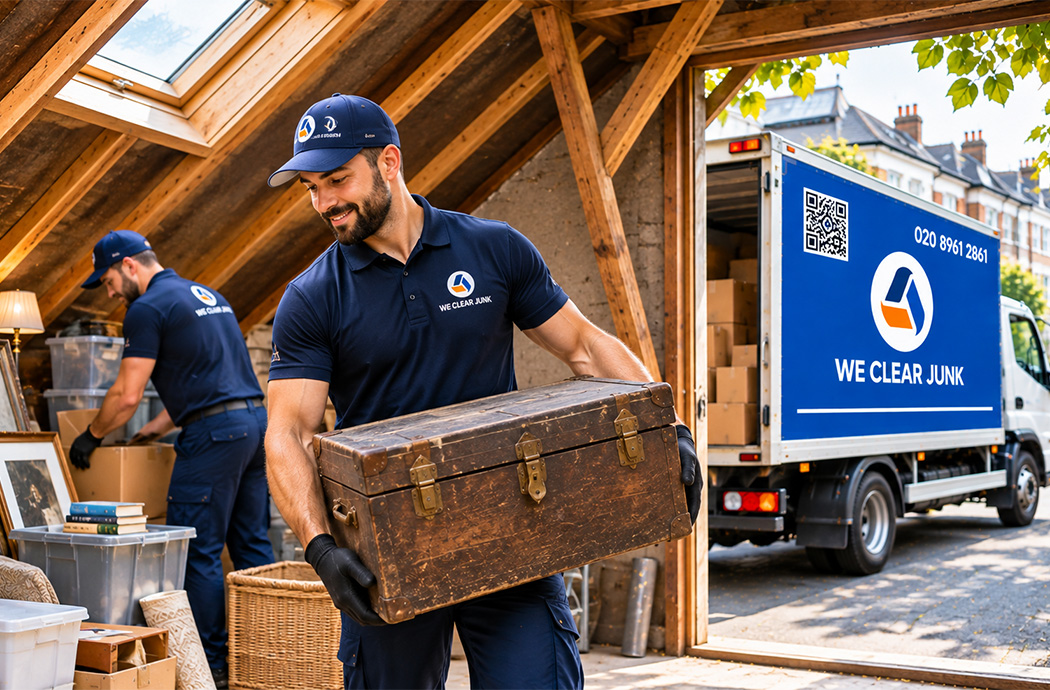
A man and van rubbish clearance service is flexible, fast, and usually one of the most affordable ways to remove waste. The team loads everything for you, making it ideal for house clearances, old furniture, appliances, garden waste, and general mixed rubbish. Because labour is included in the cost, this option is particularly cost-effective for small and medium loads where hiring a skip may be unnecessary.
Skip Hire
Skip hire is popular for renovation projects, construction work, DIY tasks, and large domestic clear-outs. You choose a skip size and fill it at your own pace. Costs depend on the skip size, the duration of hire, and whether you need a permit to place it on a public road. Skips are excellent for ongoing projects, but for smaller quantities of waste, a man and van service may work out cheaper.
Grab Lorry Hire
Grab lorries are perfect for heavy and loose waste such as soil, rubble, hardcore, and aggregates. They use a hydraulic arm to collect waste efficiently from hard-to-reach places. This option is often more cost-effective than hiring several skips when removing large volumes of heavy material. BUT only when there is access for a very large Grab lorry!
Garden Waste Removal
Garden waste disposal covers green materials like branches, hedge trimmings, grass cuttings, soil, and turf. These materials can be heavy and time-consuming to transport yourself, so professional collection is often more efficient. Pure green waste is usually easier to recycle, which can help keep disposal costs lower compared to heavier waste types.
Hazardous Waste Collection
Hazardous materials such as chemicals, asbestos, oils, paint, and contaminated waste require specialist handling and disposal. This makes hazardous waste one of the more expensive services, but using a licensed provider ensures safety, legal compliance, and responsible disposal.
Commercial Waste Services
Businesses often rely on commercial waste providers for regular collections, food waste management, confidential waste, and warehouse or retail rubbish removal. Costs vary depending on collection frequency, waste type, and business size, all while meeting strict duty-of-care regulations.
Key Factors That Determine Waste Removal Costs
Understanding what affects prices will give you a clearer idea of how much waste removal costs and help you avoid unexpected charges.
Volume and Weight
Most waste removal services price waste by volume, typically cubic yards, or by the amount of space it takes up in a vehicle. Weight matters too, especially for soil, bricks, concrete, and rubble, as heavy materials require specialist equipment and incur higher recycling or disposal fees.
Location and Accessibility
Access plays a major role in cost. Stairs, narrow pathways, limited parking, long carrying distances, or flats with no lifts all increase labour time. Easy access means quicker loading, which helps keep prices lower.
Labour Required
Jobs needing additional labour, such as dismantling furniture, removing carpets, clearing lofts, or sorting mixed waste, take longer to complete. More labour results in higher overall cost.
Environmental Regulations
Waste carriers must follow strict recycling and disposal regulations. These rules protect the environment but also influence pricing due to recycling centre fees, landfill charges, and compliance costs.
Urgency and Timing
Same-day collections, weekend bookings, or out-of-hours services may incur extra charges. Booking in advance is generally the most cost-effective option.
Type of Service Chosen
Each waste removal method has its own pricing model. Skip hire has size-based fees, man and van charges by volume, and grab hire costs depend on weight and waste type. Choosing the correct service prevents overpaying.
What Influences the Cost of Skip Hire?
Skip hire is common, but several factors affect the final cost. Skip size is the most important, larger skips cost more because they hold more waste and have higher disposal fees. If you need to place the skip on a public road, you’ll require a council permit, which adds time and cost.
Not all waste can go in a skip. Items like electrical goods, tyres, plasterboard, paint, and asbestos require specialist disposal. If your waste contains restricted materials, you’ll need an alternative service, which may increase the overall cost.
Access also matters. Skip lorries need sufficient space to deliver and collect a skip. Narrow roads, overhanging branches, and awkward driveways can make placement difficult.
Additional Cost Considerations When Booking Waste Removal
Some waste removal jobs come with potential additional costs. These may include overweight charges for heavy materials, extra labour for difficult access, sorting fees for mixed waste, congestion or low-emission zone fees, and specialist disposal charges for items such as mattresses or appliances.
A trustworthy company will always discuss these beforehand so you know exactly what to expect.
Why You Shouldn’t Go for the Cheapest Rubbish Removal
While it can be tempting to choose the cheapest service, going for the lowest-priced option can carry significant risks. Extremely cheap providers may cut corners, which can lead to:
- Illegal Dumping and Fly-Tipping
Some operators may dispose of waste unlawfully to reduce costs. Under UK law, you could be held legally responsible if your waste is dumped improperly. - Lack of Proper Licensing
Reputable waste removal companies hold a waste carrier licence. Unlicensed providers may save you money upfront but expose you to potential fines or legal liability. - Poor Recycling Practices
Very cheap services might send waste straight to landfill instead of recycling responsibly, harming the environment and potentially violating regulations. - Hidden Charges
It is common even for the best companies to arrive onsite and have to increase the estimated / quoted amount, if it is more than expected. But some companies use a low quote to get a client to book, and consistently increase cost on arrival. This is harder to judge as it can be entirely honest and innocent, but the more reputable and professional a company sounds (and interacts with you), and the better their website, the less likely you’ll be reeled in with a low quote.
How to Get an Accurate Waste Removal Cost Estimate
Providing clear information helps you receive the most accurate quote. Photos or videos of your waste give companies a realistic understanding of the volume and type. Try to estimate the space your waste takes up, for example, half a garage, a full room, or the equivalent of a certain skip size.
Explain any access issues such as parking restrictions, stairs, or distance to the waste. Also share your preferred date and time so the company can offer the best options available.
Ways to Reduce Your Waste Removal Costs
Reducing waste removal costs is often easier than people realise, especially when you prepare your waste carefully. Sorting your waste before collection is one of the simplest ways to cut costs. By separating recyclables, green waste, and general rubbish, you reduce the time needed for processing and make disposal more efficient. Breaking down bulky items, such as furniture, shelving, or large packaging, helps keep the volume lower, which can reduce the cost if you’re paying based on load size or skip capacity.
Another effective way to save money is to donate or sell reusable items rather than paying to dispose of them. Items like appliances, furniture, tools, and décor can often be given a second life, reducing your waste volume significantly. Sharing a skip with neighbours or friends is also a financially smart option if you’re all working on similar projects, as the cost can be split between several households.
Choosing the correct service for your waste type is essential. For small or medium loads, man and van clearance is generally more cost-effective than skip hire. Planning ahead and booking in advance also helps avoid premium charges for last-minute or same-day collections. Finally, ensuring good access by clearing pathways, driveways, and entrances makes the loading process quicker and can help minimise labour-related costs.
DIY vs Professional Waste Removal: Which Is More Cost-Effective?
DIY waste disposal can work well for very small loads, especially if you have a car and easy access to a nearby recycling centre. However, it can become time-consuming if you need multiple trips, and heavy lifting can be difficult or unsafe. Some materials also cannot be accepted at local centres.
Professional waste removal is usually more cost-effective for larger loads, bulky items, construction waste, and mixed rubbish. Labour is included, disposal is handled responsibly, and you avoid the time and effort of transporting waste yourself. Most people choose professional clearance for convenience, speed, and overall value.
Choosing a Waste Removal Company That Offers Good Value
To ensure you’re getting a fair price, always look for a waste carrier licence, transparent pricing, good customer reviews, and responsible recycling practices. A reputable company will explain how costs are calculated, offer guidance on the best service for your needs, and ensure your waste is disposed of legally and ethically.
Conclusion
Understanding how much waste removal costs comes down to factors such as waste type, volume, access, and the service you choose. By being informed, you can avoid unnecessary fees, select the most cost-effective disposal method, and ensure your waste is handled responsibly.
Whether you’re clearing a house, renovating a property, managing garden waste, or dealing with commercial rubbish, choosing the right waste removal provider will help you save time, money, and stress. Always request a clear quote, check that the company is licensed, and prepare your waste properly to get the best possible value.