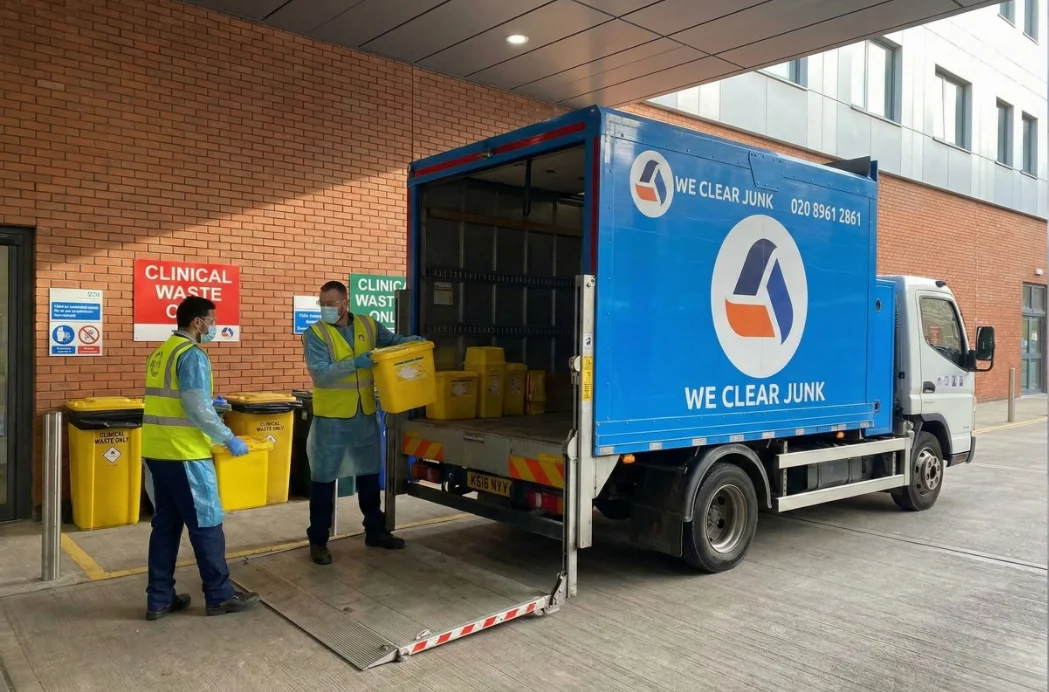
People usually search for how to dispose of clinical waste when they are faced with it in real life. This might happen after starting medical treatment at home, supporting a family member, or managing a workplace where medical or hygiene-related materials are used. Clinical waste can be confusing because it often looks similar to everyday rubbish, yet it requires very different handling.
Understanding what counts as clinical waste and why proper disposal matters helps prevent harm, avoids mistakes, and ensures waste is dealt with responsibly from start to finish.
What Is Clinical Waste?
Proper clinical and hazardous waste removal is about protecting people at every stage of the waste journey. When waste leaves your home or workplace, it does not go straight to its final destination. It is handled by waste collectors, transport staff, and treatment workers, all of whom rely on waste being packaged and classified correctly.
Sharps disposed of incorrectly can puncture bags and cause injuries. Items contaminated with blood or bodily fluids can spread infection. Medicines or hazardous materials thrown into general waste or drains can harm wildlife and pollute water systems.
There is also a legal responsibility to ensure clinical and hazardous waste does not cause harm. Even small amounts of improperly disposed waste can lead to serious consequences. Proper disposal and hazardous waste removal reduce risk, protect public health, and ensure waste is treated safely and responsibly.
Why Proper Clinical Waste Disposal Matters
Proper clinical waste disposal is about protecting people at every stage of the waste journey. When waste leaves your home or workplace, it does not go straight to its final destination. It is handled by waste collectors, transport staff, and treatment workers, all of whom rely on waste being packaged and classified correctly.
Sharps disposed of incorrectly can puncture bags and cause injuries. Items contaminated with blood or bodily fluids can spread infection. Medicines thrown into general waste or drains can harm wildlife and pollute water systems.
There is also a legal responsibility to ensure clinical waste does not cause harm. Even small amounts of improperly disposed waste can lead to serious consequences. Proper disposal reduces risk, protects public health, and ensures waste is treated safely and responsibly.
Why Clinical Waste Cannot Be Treated Like Normal Rubbish
It is easy to assume that wrapping clinical waste tightly or placing it at the bottom of a bin makes it safe. In reality, this increases the danger. Household waste is compacted, sorted, and processed in ways that can expose hidden items.
A needle hidden in a bin bag can injure someone later. A contaminated dressing can leak or come into contact with others. Once waste leaves your control, you cannot prevent these risks unless the waste has been disposed of correctly from the beginning.
Clinical waste rules exist to break this chain of harm.
Understanding the Different Types of Clinical Waste
Clinical waste is managed based on the level of risk it presents. Some waste is considered infectious because it may carry bacteria or viruses. This often comes from wound care, medical procedures, or laboratory work and requires treatment to remove the risk before disposal.
Sharps waste is treated separately because of the physical danger it presents. Even when clean, needles and blades can injure skin and transmit infection. For this reason, sharps must always be placed in rigid containers designed to prevent puncture.
Other waste, sometimes referred to as hygiene or offensive waste, may not be infectious but is still unsuitable for general waste due to how it is produced. Pharmaceutical waste, such as unused medicines, also requires careful handling because of its chemical properties.
How to Dispose of Clinical Waste at Home
Home healthcare is increasingly common, and with it comes the responsibility to manage clinical waste safely. If you or someone you care for uses needles, dressings, or medical equipment, disposal should be planned from the outset.
Sharps should be placed directly into an approved sharps container immediately after use. These containers are designed to prevent injury and should never be overfilled or forced shut. Once full, they must be returned or collected through the correct service.
Dressings or gloves that may carry infection should not be mixed with household rubbish. Separate disposal arrangements are usually available, and advice can be given by healthcare professionals.
Unused or expired medicines should be returned to a pharmacy rather than thrown away or flushed, which can cause environmental harm.
Clinical Waste Disposal in Care and Healthcare Environments
In care settings, safe disposal relies on routine and awareness. Waste should be separated as soon as it is produced, not later when mistakes are more likely. Containers are selected based on the type of waste and clearly identified to reduce confusion.
Waste is stored securely until collection and then handled by authorised services that ensure it is treated safely. This process protects staff, patients, and anyone else who may come into contact with the waste.
Businesses That Produce Clinical Waste
Many businesses generate clinical waste as part of everyday activities without immediately recognising it. Beauty treatments, tattooing, dental work, veterinary care, and similar services often involve items that break the skin or come into contact with bodily fluids.
Business owners are responsible for ensuring staff understand how to handle and dispose of clinical waste correctly. This includes providing the right containers, safe storage, and appropriate disposal arrangements.
Safe Storage and Handling
How clinical waste is stored before disposal is just as important as how it is collected. Waste should never be left unsecured or accessible to untrained individuals. Bags and containers should be sealed correctly and not overfilled.
Sharps containers should remain upright and undamaged. These small but important practices reduce the risk of accidents and ensure waste remains contained.
Legal Responsibility and Duty of Care
Anyone who produces clinical waste has a duty to ensure it does not cause harm. This responsibility applies to individuals, carers, and businesses alike. Waste must be managed safely from the moment it is created until its final disposal.
These responsibilities exist to protect people and the environment and should never be ignored or delayed.
Environmental Considerations
Responsible clinical waste disposal also protects the environment. Correct segregation ensures waste is treated appropriately and prevents unnecessary pollution. Medicines and chemicals must never enter general waste streams or water systems.
Good disposal practices balance public health safety with environmental protection.
Conclusion
Understanding how to dispose of clinical waste correctly removes uncertainty and reduces risk. When waste is handled responsibly, it protects everyone involved and ensures it is dealt with safely from start to finish.
Whether you are managing care at home, supporting others, or running a service, correct clinical waste disposal is a practical and essential responsibility.
Frequently Asked Questions
How do I know if something counts as clinical waste?
If an item has been used during medical care and could cause infection or injury, it is likely to be clinical waste. This includes materials contaminated with blood or bodily fluids, used needles, and medical dressings. When in doubt, it is safer to treat the item as clinical waste rather than dispose of it with general rubbish.
Can clinical waste be put in household bins?
Clinical waste should not be placed in household bins if it poses a risk of infection or injury. Items such as sharps, blood-stained dressings, or contaminated gloves require separate disposal arrangements to protect waste handlers and the public.
How should sharps be disposed of safely?
Sharps such as needles and lancets must be placed directly into an approved sharps container immediately after use. These containers are designed to prevent puncture injuries and should never be overfilled or reopened once sealed.