Concrete waste is one of the most common types of construction and demolition debris produced across the UK. Whether you’re renovating a property, removing an old driveway, breaking up a patio, or carrying out commercial building work, handling concrete waste properly is essential. It’s heavy, difficult to move, and cannot be placed in general household rubbish. Because of this, understanding the correct methods of concrete waste disposal is important not only for convenience, but also for legal compliance and environmental protection.
This guide explains how to dispose of concrete safely, the options available across the UK, what the law requires, and how to keep your project running smoothly without unnecessary delays.
What Counts as Concrete Waste?
Concrete waste includes anything from small broken pieces of cement all the way to large chunks of rubble. You might generate it during a home improvement project, when demolishing walls or removing outdoor structures, or during commercial construction. In most cases, it includes old slabs, concrete blocks, driveway material, patio bases, and foundations. Even when concrete is mixed with bricks, stones, or tiles, it still falls under construction and demolition waste and requires proper handling.
It can be referred to as “Inert Waste” by some waste companies, or “Hardcore” (although hardcore can include bricks and stone too).
The Importance of Concrete Waste Removal
Many people don’t realise how important concrete disposal is until their waste piles up, blocks access, or becomes a safety hazard. Concrete is extremely heavy and can damage vehicles, pavements, and property if handled incorrectly. Leaving it on-site for too long can also affect your neighbours, especially if it obstructs footpaths or shared driveways.
From an environmental standpoint, concrete is one of the most recyclable building materials. When disposed of correctly, it can be crushed into aggregate and reused for foundations, sub-bases, or landscaping projects. This reduces the need for new raw materials and helps lower the carbon footprint of the construction industry.
Finally, disposing of concrete irresponsibly can lead to legal penalties. UK waste regulations are strict, and both homeowners and tradespeople must ensure that concrete waste is taken to a licensed facility by a registered waste carrier. Fly-tipping concrete waste is illegal and can result in significant fines.
Concrete Waste Collection Options in the UK
Depending on how much waste you have and how accessible your site is, you can choose from several disposal methods. Each option suits different types of projects.
1. Hiring a Concrete Waste Removal Service
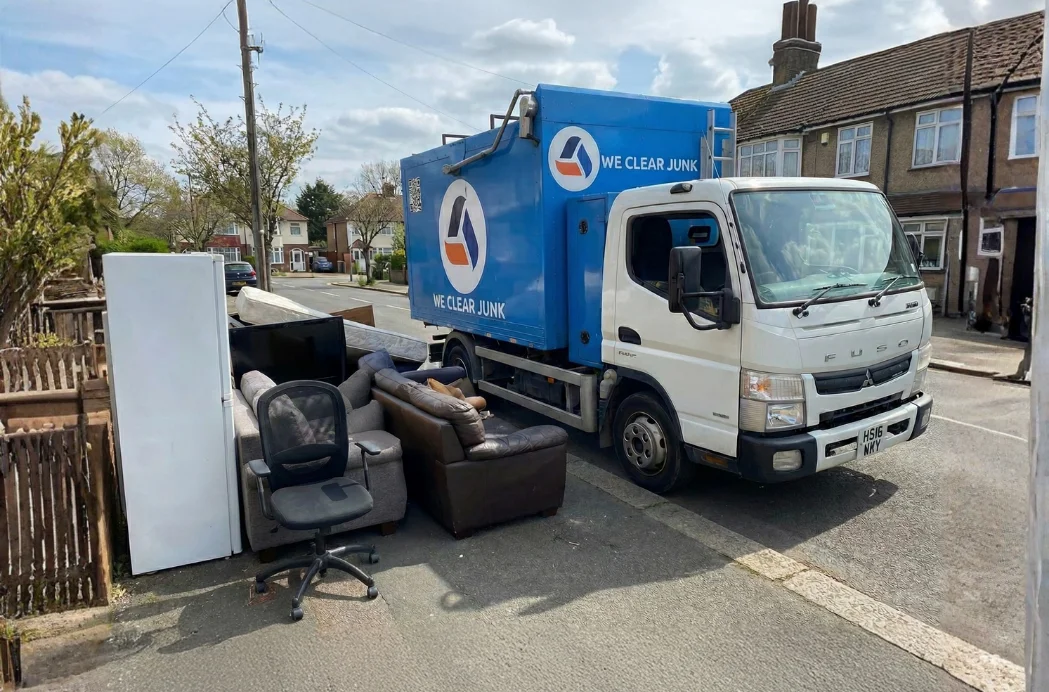
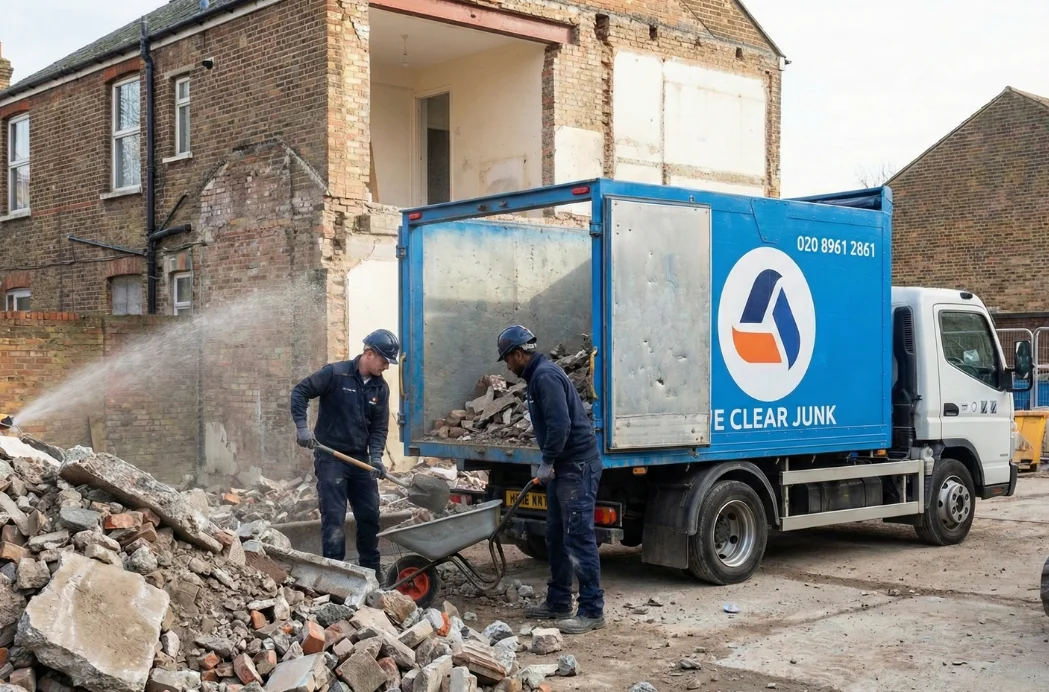
One of the most convenient ways to get rid of concrete waste in the UK is to book a professional waste removal company. They arrive with a suitable vehicle, load the concrete for you, and transport it directly to a recycling facility. This option is ideal when you don’t want to deal with heavy lifting or multiple trips to a recycling centre.
These services can handle anything from small quantities of rubble after a garden project to several tonnes of waste from a building site. Most companies recycle as much of the concrete as possible, turning it into hardcore or aggregate for future construction projects.
If your concrete is in rubble bags, this service is ideal. Roughly 30 standard rubble bags is 1 tonne in weight (if filled ¾ so you can lift them). So if you have 90 bags, then you’ve probably got 3 tonnes of inert / concrete waste.
This is a great choice for homeowners without their own transport, or for builders and tradespeople who need fast clearance so they can continue working, and anyone dealing with bulky waste in tight spaces.
2. Using Skip Hire for Concrete Waste
Skip hire is one of the most common solutions for construction waste in the UK. If your project will produce large amounts of concrete over several days or weeks, a skip placed on your driveway or building site provides ongoing convenience. You can fill it gradually, keeping your work area clean and safe.
Using professional skip hire services ensures you get the right type of skip for your needs. Not all skips are suitable for concrete, so most providers offer dedicated inert waste skips, specifically designed for heavy materials such as concrete, bricks, stones, tiles, and soil. These skips are stronger and capable of supporting the weight of dense materials.
If your skip is placed on a public road, you may need a council permit. Your skip hire company usually arranges this for you.
Skip hire is ideal for medium to large projects, including driveway removal, wall demolition, and building renovations.
3. Booking a Grab Lorry for Large-Scale Waste
For large volumes of concrete waste (in one place with good access), a grab lorry is one of the most efficient solutions. These vehicles are equipped with a grab arm that can reach over fences, hedges, and walls to collect waste from difficult locations. This means you don’t have to spend time moving the waste to the roadside or driveway.
Grab lorries are widely used by builders, landscapers, and groundworks teams handling massive quantities of rubble. They are particularly useful for excavation work or full-scale demolitions.
This method saves time, reduces manual labour, and offers quick clearance in a single visit.
4. Taking Concrete Waste to a Local Recycling Centre
If you only have a small amount of concrete waste and access to a suitable vehicle, you may be able to take it to a local recycling centre. Many household waste recycling centres across the UK accept concrete, hardcore, and rubble, but rules vary by local council.
Some centres may restrict:
- The size of the load
- The type of vehicle used
- The number of visits permitted
- Whether the waste is domestic or commercial
It’s important to check your council’s guidance before travelling. You should also ensure the concrete is clean and free from contamination, as mixed waste may be rejected or require special processing.
This method is suitable for small DIY projects, such as removing a section of garden paving or knocking down a small garden wall.
5. Reusing or Repurposing Concrete On-Site
Not all concrete waste needs to be removed from your property. Clean, unreinforced concrete can often be reused for landscaping or building purposes. Many homeowners and landscapers repurpose concrete chunks as hardcore for shed bases, path foundations, and ground levelling. It can also be crushed and reused to support driveways, patios, and outdoor structures.
Repurposing reduces waste, saves time, and supports sustainable construction practices.
How Concrete Recycling Works
In the UK, concrete recycling facilities follow a specific process to turn waste concrete into usable material. Once the waste is collected, it is taken to a licensed recycling centre where it is sorted to remove impurities like metal, wood, and plastic. The concrete is then crushed using industrial machinery and screened into different sizes.
The resulting material can be used for:
- Sub-base layers
- Road and motorway foundations
- Car parks
- Driveways
- Landscaping projects
- Construction aggregates
Recycled concrete reduces the need for new stone and supports the circular economy.
Legal Requirements for Concrete Waste Disposal
UK waste laws require anyone disposing of concrete waste to ensure it is handled properly. If you use a waste removal service, you must check that they are a licensed waste carrier. This protects you from fines in case the waste is dumped illegally.
If you hire a skip, make sure the skip company is fully registered and complies with local council regulations. If you transport concrete waste yourself, you must ensure it is taken to an authorised facility.
Homeowners do not generally require a waste carrier licence unless they transport waste as part of a business.
Best Practices for Safe Concrete Waste Disposal
When handling concrete waste, it’s important to work safely. Concrete is heavy and awkward, so always break it into manageable pieces before moving it. Keep your work area clear to prevent trips and falls, and use proper lifting techniques to avoid injury.
If the concrete contains rebar or mesh, you’ll need to separate or cut it before disposal, as reinforced concrete requires specialist recycling. Keeping the waste clean and separated from general rubbish helps ensure smooth processing at recycling centres.
Working with a licensed waste disposal company is the easiest way to ensure everything is handled safely and legally.
Who Benefits Most from Professional Concrete Waste Removal?
Concrete waste removal services are useful for a wide range of people, including homeowners doing garden renovations, tradespeople carrying out building work, property managers maintaining large sites, and contractors managing demolition projects. Anyone handling bulky or heavy waste can benefit from a reliable clearance service that takes care of the loading, transportation, and recycling.
Conclusion
Concrete waste disposal is a crucial part of any construction or renovation project in the UK. With strict regulations, heavy materials, and environmental responsibilities to consider, choosing the right disposal method makes a huge difference in keeping your project efficient and compliant.
Whether you use a professional waste removal service, hire a skip, book a grab lorry, or take your concrete waste to a recycling centre, each option helps keep your property clean and supports sustainable waste management. By understanding the available choices and following best practices, you can handle concrete waste safely, responsibly, and with minimal disruption.