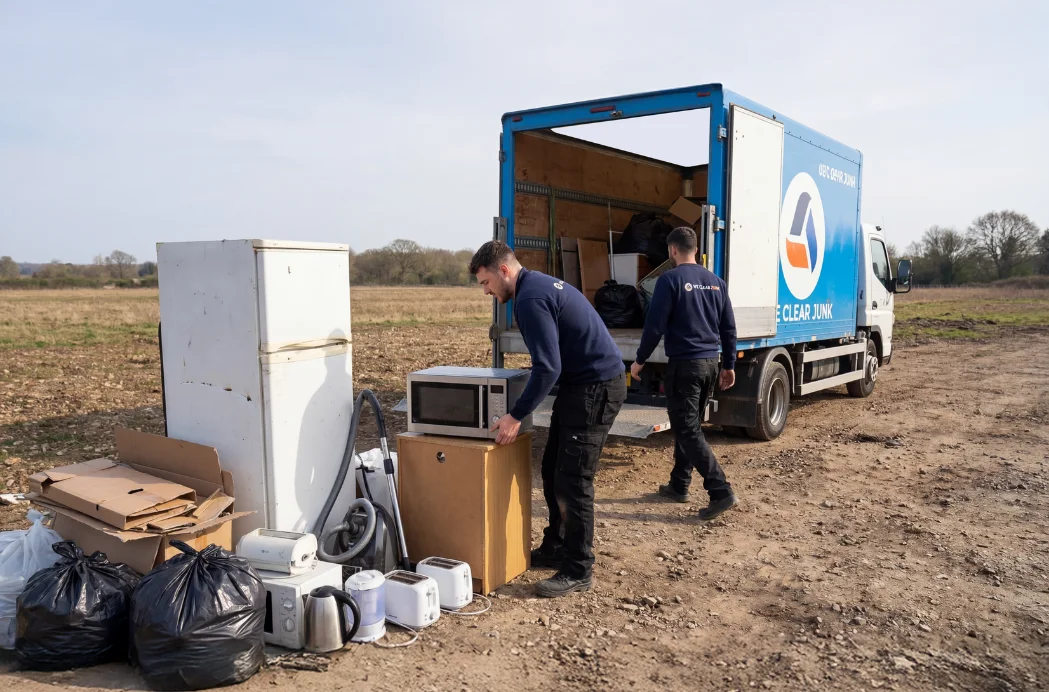
Electronic devices have become part of everyday life. From phones and laptops to printers, cables, and kitchen appliances, technology surrounds us at home and at work. But when these items stop working or become outdated, many people are unsure what to do next. Simply throwing electronics in the bin can cause serious environmental harm and may even break local disposal rules.
If you’ve ever wondered how to dispose of electronics safely and responsibly, this guide explains everything you need to know. It covers practical options, environmental considerations, data protection, and common mistakes to avoid, all in a clear and easy-to-follow way for readers in the UK.
Why Proper Electronic Waste Disposal Matters
Electronic waste, often called e-waste, contains a mix of valuable materials and hazardous substances. Items such as circuit boards, batteries, screens, and cables can include metals, plastics, and chemicals that should never end up in general household waste.
When electronics are disposed of incorrectly, they can leak harmful substances into soil and water, damaging ecosystems and posing risks to human health. Responsible electronic waste disposal helps reduce pollution, conserve natural resources, and support recycling systems that recover useful materials.
Understanding how to dispose of electronics correctly is not just about compliance, it’s about making a responsible choice for the environment and future generations.
Common Electronics That Need Special Disposal
Good waste management starts with understanding which everyday items count as electronic waste and require special disposal. Common examples include mobile phones and smartphones, laptops, desktops, tablets, televisions, monitors, game consoles, and their accessories. These electronics contain valuable resources as well as hazardous materials that should never be mixed with regular household waste clearance.
Many people specifically search for how to dispose of laptop devices safely, as laptops contain batteries, hard drives, and other components that require careful handling.
Office and networking equipment also play a major role in electronic waste. Items such as printers, scanners, routers, chargers, cables, and power adapters are often discarded without a second thought, even though they include components that can be safely recycled and reused when handled correctly. Many people also struggle with proper computer disposal when old desktops or office computers stop working, even though these devices contain valuable recyclable materials.
Good disposal practices are especially important for kitchen appliances like washing machines, dishwashers, microwaves, and kettles, along with batteries and battery-powered devices. Even small electronic items can cause environmental harm if thrown away improperly, making responsible electronics recycling essential for protecting both people and the environment.
How to Dispose of Electronics the Right Way
Use Designated Electronics Recycling Facilities
One of the safest ways to manage old electronics is to take them to authorised recycling centres. These facilities are designed to dismantle devices responsibly, separating materials such as metals, plastics, and glass for reuse. Many people searching for computer recycling near me can use these authorised facilities to ensure outdated devices are processed safely and responsibly.
Electronics recycling ensures harmful substances are handled safely while valuable materials are recovered and reused in manufacturing. This reduces the need for raw material extraction and lowers environmental impact. If you are searching for computer recycling near me, authorised local recycling centres are typically the most reliable and compliant option.
Return Electronics Through Retail Take-Back Schemes
Many retailers accept old electronic devices, including washing machines, dishwashers, and TVs, when you replace or upgrade equipment. These take-back programmes ensure devices are either refurbished, recycled, or disposed of according to environmental standards.
This option is especially useful for larger items or commonly replaced electronics such as phones, computers, and household appliances. Retailer schemes can also support safe computer disposal when upgrading office or home equipment.
Donate Working Electronics
If a device still functions, donating it can be a great alternative to recycling. Schools, community groups, charities, and non-profit organisations often accept working electronics to support learning and communication needs. This is also a helpful option for people wondering how to dispose of laptop devices that are still in working condition.
Before donating, ensure the device is in usable condition and that all personal data has been completely removed.
Reuse and Repurpose Where Possible
Sometimes electronics don’t need to be disposed of at all. Old devices can be repurposed for other uses. For example, an old tablet can become a media screen, a spare phone can be used as a music player, and unused laptops can serve as backup devices.
Reusing electronics extends their lifespan and reduces overall electronic waste.
Why Electronics Should Never Go in Household Bins
Throwing electronics into regular waste bins is one of the most common mistakes people make. General waste systems are not equipped to handle electronic components safely.
Electronics can cause fires in waste facilities, especially those containing lithium batteries. They can also release harmful substances when crushed or exposed to heat.
Learning how to dispose of electronics properly helps prevent safety risks and environmental damage while ensuring materials are recovered responsibly.
Understanding Electronic Waste Regulations
Electronic waste is regulated under specific environmental guidelines that require proper handling and recycling. These rules are designed to prevent harmful disposal practices and encourage responsible recycling.
While regulations may vary by area, the goal remains the same: keep electronics out of landfill and ensure they are processed safely. Using approved recycling methods helps individuals stay compliant without needing detailed legal knowledge.
The Environmental Benefits of Recycling Electronics
Responsible environmental practices begin with recycling electronic waste, which provides significant benefits for the planet. Many electronic devices contain valuable materials such as copper, aluminium, and rare elements that can be recovered and reused in new products, reducing the need for raw material extraction.
Recycling electronics helps conserve natural resources and lowers overall energy consumption. When materials are reused instead of produced from raw sources, greenhouse gas emissions are reduced, supporting cleaner air and a healthier environment.
Proper electronic waste management also minimises the amount of waste sent to landfills. By recycling electronics responsibly, individuals and businesses contribute to long-term sustainability and a more environmentally friendly future.
Special Considerations for Batteries and Cables
Batteries deserve extra attention when disposing of electronics. They can overheat, leak, or cause fires if damaged. Always remove batteries before recycling devices and take them to appropriate battery recycling points.
Cables, chargers, and accessories should also be recycled rather than discarded. Though small, they contribute significantly to electronic waste when thrown away in large numbers.
Common Mistakes to Avoid When Disposing of Electronics
Proper electronic disposal requires careful attention to avoid common mistakes that can be harmful to both people and the environment. One frequent error is leaving personal data on devices, which can lead to privacy risks if the electronics are not properly wiped before recycling or disposal.
Another mistake is throwing electronics into general household waste or mixing them with regular recycling. These items often contain hazardous materials that can contaminate the environment if not processed correctly. Similarly, storing unused electronics indefinitely can lead to clutter and eventual improper disposal.
Attempting to break devices apart without proper knowledge is also risky, as it can expose hazardous components or cause injury. By avoiding these mistakes and following safe disposal practices, electronic waste can be managed effectively, protecting both the environment and personal safety.
How Businesses and Households Can Reduce E-Waste
Reducing electronic waste starts with mindful consumption. Consider repairing devices instead of replacing them, choosing durable products, and upgrading only when necessary.For households and small businesses alike, planning how to dispose of electronics responsibly, rather than simply relying on regular rubbish removal london, helps reduce clutter, protect the environment, and support sustainable practices.
Conclusion
Knowing how to dispose of electronics properly is an essential part of modern life. With technology constantly evolving, electronic waste will continue to grow unless responsible habits are adopted.
By recycling, donating, reusing, and safely handling old devices, individuals can reduce environmental harm, protect personal data, and contribute to a cleaner future. Proper electronic waste disposal isn’t complicated, it just requires awareness and the right choices at the right time.
How to Dispose of Electronics FAQs
Do I need to remove personal data before recycling electronics?
Yes, you should always remove personal data before recycling devices such as laptops, desktops, tablets, or smartphones. Perform a factory reset where possible and securely wipe storage drives to prevent privacy risks.
Can businesses use the same recycling options as households?
Businesses can use authorised recycling facilities and approved waste clearance providers to ensure electronics are disposed of responsibly. Proper electronic waste management helps companies stay compliant with environmental regulations.
What types of electronic items require special disposal?
Items such as laptops, computers, televisions, printers, kitchen appliances, batteries, chargers, and cables all require special disposal. These products contain recyclable materials and hazardous components that should never be sent to landfill.
What happens to electronics after they are recycled?
After electronics are collected at authorised recycling facilities, they are dismantled and separated into materials such as metals, plastics, and glass. Hazardous components are handled safely, while valuable materials are processed for reuse in manufacturing new products.