Managing waste is a critical yet often overlooked aspect of running a small business. From offices and retail outlets to cafes and workshops, every small business generates waste that must be handled responsibly. Efficient waste collection not only keeps your workspace clean and safe but also demonstrates a commitment to sustainability, a factor increasingly valued by customers and clients. This guide offers a comprehensive look at waste collection for small businesses, helping you navigate your options, stay compliant, and embrace eco-friendly practices.
Why Proper Waste Collection Matters for Small Businesses
Waste management is more than just removing rubbish. Improper disposal can lead to health hazards, regulatory issues, and environmental damage. For small businesses, even minor lapses can create significant problems, including:
- Health and Safety Risks: Overflowing bins and poorly managed waste can attract pests, spread bacteria, and pose fire hazards.
- Regulatory Compliance: Businesses are legally obligated to dispose of waste correctly. Non-compliance can result in fines or legal action.
- Brand Image: Customers increasingly appreciate businesses that are environmentally conscious. Visible recycling practices can enhance your reputation.
- Operational Efficiency: Regular and organised waste collection prevents clutter, making your workspace safer and more efficient.
By understanding your waste streams and collection options, you can manage disposal efficiently while contributing to a greener environment.
Types of Waste Generated by Small Businesses
Small businesses produce a variety of waste types, each requiring different handling methods. Common waste categories include:
- General Waste: Everyday rubbish such as packaging, office supplies, and food waste. This is typically collected weekly by commercial waste providers.
- Recyclable Waste: Paper, cardboard, glass, plastics, and metals that can be reprocessed. Segregating recyclables reduces landfill contribution and supports sustainability goals.
- Organic Waste: Food scraps and biodegradable materials. Some businesses can compost organic waste or use specialist collection services.
- Hazardous Waste: Items like batteries, electronics, cleaning chemicals, and certain paints require special handling due to environmental and safety risks.
- Construction or Renovation Waste: Debris from small refurbishments, such as wood, plasterboard, and metals. This often needs skip hire or a commercial waste collection service.
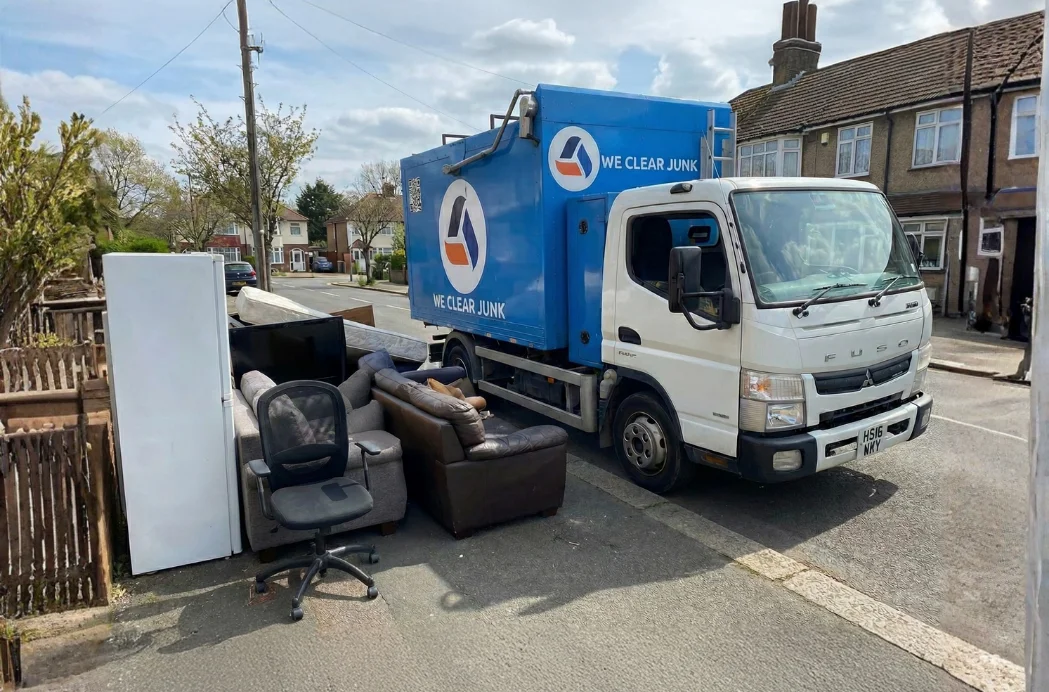
- Bulky Waste: Large, heavy, or awkward items that don’t fit into standard bins, such as old furniture, mattresses, broken fixtures, and mixed miscellaneous items. Bulky waste is often generated during clear-outs, office refits, or property renovations and usually requires specialist collection or skip hire due to its size and handling requirements. Proper disposal ensures these items are managed safely and, where possible, recycled or reused rather than sent to landfill.
1-3 are often serviced by compactor lorry services, often overnight in cities like Lonodon. Whereas 4-6 is best served by & caged lorry (man and van services).
Knowing the types of waste your business generates helps you select the most effective collection method.
Options for Waste Collection
Small businesses have several options for waste disposal, ranging from simple curbside collection to tailored commercial solutions. Choosing the right method depends on the volume, type of waste, and environmental goals.
On-Demand Collection Services
On-demand collection is perfect for businesses with irregular or unpredictable waste production. Waste is picked up as needed, offering flexibility without long-term contracts. This service is convenient, reduces clutter, and can handle specific waste types such as recyclables or electronics.
Scheduled Waste Collection
Scheduled collection provides regular pickups, such as weekly or bi-weekly, making it ideal for businesses with steady waste streams like offices or retail shops. It ensures waste is consistently removed, helping maintain a clean and organised workspace. Additionally, it simplifies storage planning and supports compliance with waste regulations.
Recycling and Sustainable Disposal Services
Recycling and sustainable disposal services separate recyclable materials from general waste, helping businesses reduce landfill contributions. This approach supports environmental initiatives and demonstrates a commitment to sustainability. It also enhances the company’s reputation while lowering overall waste volumes.
Skip Hire Services
Skip hire is suitable for businesses producing large amounts of waste or undertaking short-term projects like renovations. Skips come in various sizes and are collected once full, making bulk disposal simple and efficient. They also allow businesses to segregate waste streams for easier recycling and management.
Key Considerations When Choosing a Waste Collection Service
Selecting the right provider is crucial for efficiency, compliance, and sustainability. Here are essential factors to consider:
- Service Flexibility: Ensure the provider can accommodate your waste volumes and schedule. Small businesses often benefit from adjustable pickup frequencies.
- Regulatory Compliance: Confirm that the company follows local waste disposal regulations and holds the necessary licences.
- Waste Type Handling: Check that they can manage all types of waste your business produces, including hazardous or recyclable materials.
- Environmental Practices: Look for providers who prioritise recycling and environmentally responsible disposal methods.
- Reliability: Timely collection prevents overflow and operational disruption.
- Reporting and Documentation: Many commercial services offer documentation to demonstrate regulatory compliance and recycling statistics.
Tips for Efficient Waste Management
Optimising waste management can save time, reduce risks, and support sustainability goals. Small businesses can adopt several practical strategies:
Conduct a Waste Audit
Identify the types and volumes of waste your business generates. This helps you tailor collection schedules, reduce unnecessary waste, and separate recyclables effectively.
Encourage Recycling
Set up clearly marked bins for paper, plastics, and metals. Educate staff about recycling practices to improve participation and reduce contamination of recyclable waste.
Reduce Waste at Source
Minimise packaging, switch to reusable products, and adopt digital solutions to reduce paper waste. Less waste generation means lower collection needs and environmental impact.
Partner with Responsible Providers
Choose a waste management company that aligns with your business values. Providers who prioritise sustainable disposal and provide transparent reporting help reinforce your environmental commitment.
Store Waste Safely
Designate a secure area for waste storage to prevent accidents, contamination, or pest infestations. Proper storage ensures smooth collection and maintains workplace hygiene.
Plan for Seasonal or Project-Based Waste
Anticipate periods of increased waste, such as after promotions, renovations, or busy seasons. Temporary solutions like extra pickups or skip hire can prevent clutter and maintain compliance.
Regulatory Requirements for Small Businesses
Compliance with waste disposal regulations is mandatory. Key obligations include:
- Duty of Care: Businesses must ensure waste is handled responsibly from collection to disposal. This includes using licensed providers.
- Waste Transfer Notes: Documentation may be required for certain waste types, proving that disposal is legal and appropriate.
- Segregation and Storage: Hazardous or special waste must be stored and separated according to safety standards.
- Environmental Reporting: Some businesses may need to report waste quantities and disposal methods for environmental accountability.
Understanding and adhering to these requirements avoids penalties and promotes a culture of responsible business practice.
Benefits of Professional Waste Collection Services
Outsourcing waste collection offers several advantages for small businesses:
- Time Savings: Reduces the administrative burden of organising disposal and collection.
- Operational Efficiency: Keeps premises clean and organised, improving staff productivity.
- Sustainability Goals: Professional providers often implement recycling and responsible disposal practices.
- Risk Mitigation: Reduces legal and safety risks associated with improper waste handling.
Conclusion
Effective waste collection is a cornerstone of responsible business management. Small businesses that prioritise proper disposal, recycling, and sustainable practices not only meet legal requirements but also enhance operational efficiency and brand reputation. By understanding your waste streams, choosing the right collection method, and partnering with professional providers, your business can maintain a clean, safe, and environmentally friendly workspace.
Investing in smart waste management is an investment in your business’s future, supporting sustainability, protecting your employees, and fostering a positive impression on clients and customers. Whether you opt for scheduled pickups, on-demand services, or recycling-focused solutions, the key is to approach waste collection strategically and responsibly.
Hazardous Waste Disposal London FAQs
How much does waste collection for small businesses typically cost?
Many readers will want clarity on pricing factors such as bin size, collection frequency, waste type, and location. This FAQ can explain typical cost ranges and what influences fees.
What happens to my waste after it is collected?
The article mentions sustainability but does not explain the journey of waste after collection, sorting, recycling rates, energy recovery, and landfill diversion, which builds trust and transparency.
Do small businesses need a contract for waste collection services?
This addresses whether contracts are mandatory, contract lengths, exit terms, and when on-demand services are better.
What should be done if a waste collection service misses a pickup?
Practical operations question, covers overflow risks, emergency collections, and service-level agreements.