
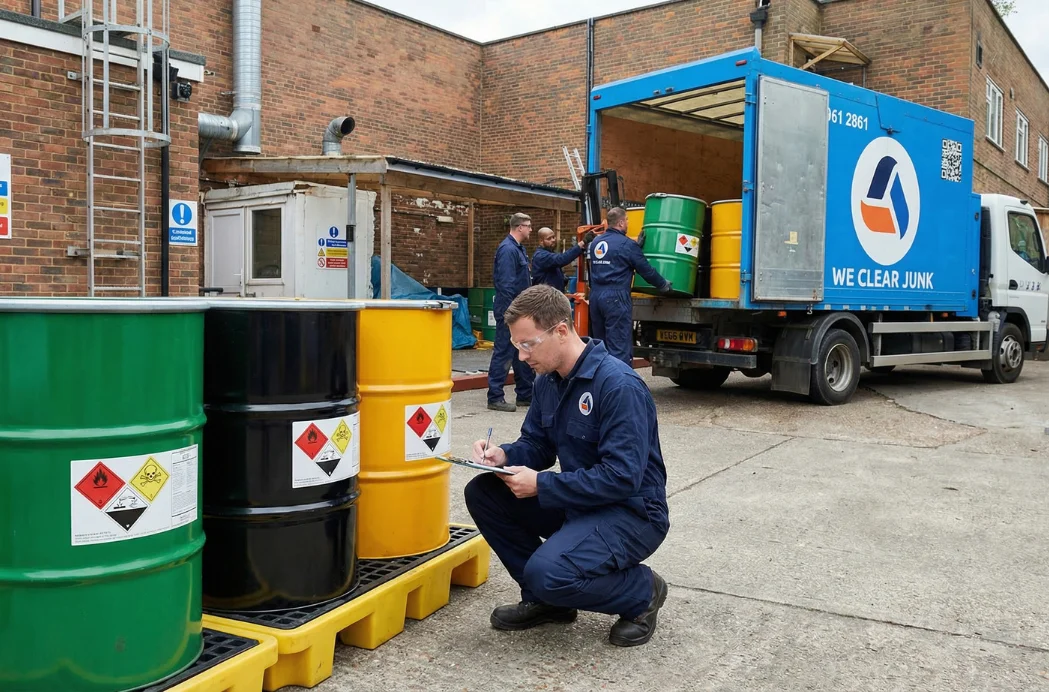
Hazardous waste is more common than many people realise. It exists in homes, workplaces, construction sites, healthcare facilities, and agricultural settings. When handled incorrectly, it can harm human health, pollute land and water, and damage ecosystems. Understanding the types of hazardous waste is essential for safe handling, correct disposal, and protecting the environment.
This guide explains what hazardous waste is, the main categories, how hazardous chemical waste is disposed of, and how to get rid of harmful waste safely.
What Is Hazardous Waste?
Hazardous waste refers to any waste material that poses a risk to people or the environment because of its chemical, physical, or biological properties. Waste is considered hazardous when it is toxic, flammable, corrosive, infectious, or environmentally damaging.
These materials require specialist handling and should never be treated in the same way as general waste.
Why Identifying Hazardous Waste Is Important
Failing to identify hazardous waste correctly can lead to serious consequences. Toxic substances may contaminate soil and water, sharp objects can cause injuries, and chemical fumes can affect air quality. Understanding how to recognise hazardous waste helps prevent accidents, protects health, and reduces long-term environmental damage.
Types of Hazardous Waste
Chemical Waste
Chemical waste consists of substances that are dangerous due to their toxicity, reactivity, or corrosive nature. Common materials include strong cleaning chemicals, solvents and degreasers that release harmful vapours, pesticides used to control pests, and acids or alkalis used in industrial or laboratory environments. If mixed or handled incorrectly, chemical waste can cause burns, poisoning, or dangerous reactions.
Medical and Clinical Waste
Medical and clinical waste is hazardous because it may carry infections or cause physical harm. Used needles and sharps can cause puncture injuries and spread disease, while blood-contaminated dressings and swabs may contain harmful pathogens. Unused or expired medicines can be dangerous if taken accidentally or released into water systems.
Electrical and Electronic Waste Containing Hazardous Materials
Some electrical and electronic items are hazardous due to the substances inside them. Older televisions and monitors may contain lead or other heavy metals, while fluorescent tubes and low-energy bulbs often contain mercury. Batteries inside electronic devices can leak corrosive chemicals or cause fires if damaged.
Asbestos Waste
Asbestos waste is extremely hazardous when disturbed. Materials such as insulation boards, roofing sheets, pipe insulation, and textured coatings can release microscopic fibres into the air when damaged. Inhalation of these fibres can lead to serious long-term health conditions.
Asbestos waste must always be handled and disposed of by trained professionals using controlled methods.
Industrial Hazardous Waste
Industrial activities generate hazardous waste during manufacturing and processing operations. This includes sludge containing heavy metals, chemical by-products left after production, and containers that remain contaminated even when empty. These materials may be toxic, reactive, or harmful to the environment.
Oil and Petroleum Waste
Oil-based waste is hazardous due to its ability to spread quickly and contaminate land and water. Used engine oil contains harmful contaminants, fuel residues are highly flammable, and oily rags or absorbent materials can pose fire risks if not disposed of properly.
Even small quantities of oil waste can cause long-lasting environmental damage.
Paints, Resins, and Adhesives
Many paints and coatings are hazardous because of their chemical content. Oil-based paints release harmful fumes, paint thinners are highly volatile, and some industrial adhesives contain toxic compounds that remain harmful even after drying. Incorrect disposal can lead to air pollution and health risks.
Batteries and Accumulators
Batteries are hazardous due to the chemicals and metals they contain. Lead-acid batteries include corrosive acid and toxic lead, lithium-ion batteries can overheat or ignite if damaged, and nickel-cadmium batteries contain cadmium, which is harmful to both people and the environment.
Agricultural Hazardous Waste
Agricultural activities produce hazardous waste that must be managed carefully. Pesticide containers may retain chemical residues, veterinary medicines can affect wildlife if released into the environment, and chemical fertilisers can pollute waterways through run-off.
Responsible handling helps protect soil quality, water sources, and ecosystems.
Household Hazardous Waste
Many everyday household waste items are classed as hazardous waste. Cleaning products can release toxic gases if mixed, batteries may leak harmful chemicals over time, and leftover paints or garden chemicals can contaminate soil and harm pets or wildlife.
Although quantities are usually small, household hazardous waste still requires proper disposal.
How Hazardous Chemical Waste Is Disposed Of
Hazardous chemical waste is managed through a controlled process designed to reduce risks at every stage.
Identification and Classification
Chemical waste is assessed based on properties such as toxicity, flammability, and reactivity. Correct classification ensures the waste follows the appropriate treatment and disposal route.
Safe Storage
Before collection, hazardous chemical waste is stored in sealed and clearly labelled containers. Proper storage prevents leaks, spills, and accidental exposure.
Collection and Transport
Authorised carriers collect hazardous chemical waste using vehicles designed for dangerous materials. This reduces the risk of contamination during transport.
Treatment and Neutralisation
Many chemicals are treated before disposal to reduce their harmful effects. Neutralisation and stabilisation processes make waste safer for long-term handling.
Recycling Where Possible
Some chemical waste materials, such as solvents, can be recovered and reused once treated. Recycling reduces environmental impact and waste volumes.
Final Disposal
Waste that cannot be recycled is taken to specialist facilities designed to isolate hazardous substances and prevent pollution.
Get Rid of Harmful Waste Safely
Getting rid of harmful waste safely starts with recognising that it should never be placed in general rubbish bins or poured down drains. Hazardous waste must be separated from regular waste and stored securely until it can be collected by professional services, such as hazardous waste removal London, or taken to an approved disposal point.
Containers should be sealed, clearly labelled, and kept away from children and pets. Different types of hazardous waste should never be mixed, as this can cause dangerous reactions. For larger quantities or higher-risk materials such as chemicals, asbestos, or medical waste, professional handling is essential.
Knowing how to get rid of harmful waste correctly helps reduce pollution, prevents accidents, and protects both people and the environment across the UK.
Why Proper Hazardous Waste Management Matters
Incorrect handling of hazardous waste can lead to serious health risks, environmental contamination, and long-term damage to natural resources. Understanding the types of hazardous waste and knowing how to get rid of harmful waste responsibly supports safer communities and sustainable waste management practices.
Conclusion
Hazardous waste appears in many forms, from chemical and medical waste to asbestos, batteries, and household products. Each type presents unique risks and requires careful handling.
By recognising hazardous materials, understanding how hazardous chemical waste is disposed of, and knowing how to get rid of harmful waste safely, individuals and organisations can reduce harm, protect the environment, and support responsible waste management for the future.


