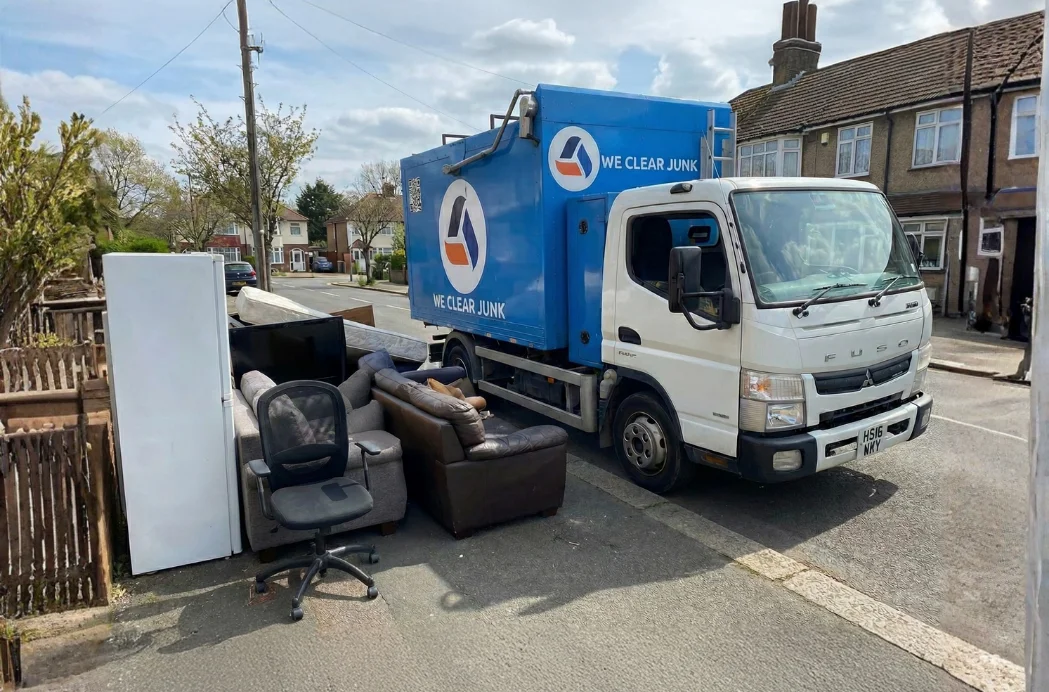
If you’re clearing out your home, renovating a property, or managing a project in London, you’ve likely asked: Rubbish Clearance vs Skip Hire – which is better?
Both options remove waste, but they work very differently. Choosing the wrong one can cost you time, money, and even lead to compliance issues.
At WeClearJunk, we help homeowners, landlords, builders and businesses across London choose the fastest, most cost-effective solution. Whether you need a full house clearance or a simple furniture collection, understanding the difference is key.
What Is Rubbish Clearance?
Rubbish clearance in this context, is a service where a professional team comes to your property, loads the waste, and takes it away immediately. It’s also called “man and van rubbish removal”, and sometimes “cage lorry waste removal”.
You don’t need to lift heavy items. You don’t need permits. You don’t need to hire labour.
It’s ideal for:
- House clearances
- Garden waste removal
- Office clear-outs
- Furniture and sofa removal
- Builders waste after renovations
- End of tenancy clearances
A licensed waste carrier handles everything, ensuring your waste is disposed of correctly and recycled where possible.
For many London residents, this is the most convenient skip hire alternative.
What Is Skip Hire?
Skip hire involves having a large container delivered to your property. You fill it yourself, and it’s collected later.
It’s commonly used for:
- Large renovation projects
- Ongoing construction sites
- Heavy rubble or soil disposal
- Projects lasting several days
However, in London, skip hire often requires:
- A council permit (if placed on a public road)
- Available parking space
- Responsibility for loading the skip
- Risk of overfilling charges
This can make it less practical in busy boroughs or tight residential streets.
Rubbish Clearance vs Skip Hire: Key Differences
When comparing Rubbish Clearance vs Skip Hire, here’s what matters most:
1. Speed
- Rubbish clearance: Same-day collection available
- Skip hire: Delivery + collection scheduling required
If you need waste gone immediately, clearance is usually faster.
2. Labour
- Rubbish clearance: Team loads everything for you
- Skip hire: You load it yourself
This is a major factor for landlords, elderly homeowners, or office managers.
3. Space Requirements
- Rubbish clearance: No space needed long-term
- Skip hire: Requires driveway or road space
In many London areas, space is limited, making rubbish removal more practical.
4. Cost Structure
- Rubbish clearance: Pay for volume collected
- Skip hire: Fixed size pricing
For small to medium loads, rubbish clearance is often more cost-effective.
Common Mistakes People Make
Choosing between rubbish removal and skip hire isn’t just about price.
Here are common mistakes London customers make:
- Hiring a skip without checking permit requirements
- Underestimating how much waste they have
- Forgetting labour costs for loading (often 2+ man hours of labour)
- Using unlicensed collectors (risking fines)
- Overfilling skips and paying extra charges
Working with a licensed waste carrier protects you under UK Duty of Care regulations.
Why Many London Residents Choose Rubbish Clearance
For most residential and commercial jobs, rubbish clearance offers more flexibility.
At WeClearJunk, we provide:
- Same-day waste collection across London
- Fully licensed and insured waste carriers
- Eco-friendly disposal with high recycling rates
- Transparent pricing with no hidden charges
- Labour included in every job
Whether you’re clearing a flat in North London, renovating in South London, or managing an office in Central London, our team handles everything from collection to responsible disposal.
For larger property projects, our full waste clearance service in London is often the fastest solution. If you’re managing construction debris, our builders waste removal service ensures compliant disposal. And if you’re comparing costs with traditional options, we can also advise whether skip hire is genuinely necessary for your job.
Benefits of Choosing Professional Rubbish Removal
Here’s why many customers see it as the smarter skip hire alternative:
- Faster turnaround – waste gone within 20-40 minutes mostly, not days
- No permits required
- No heavy lifting for you
- Flexible pricing based on actual load
- Reduced risk of fines or fly-tipping issues
- Environmentally responsible recycling practices
It’s designed for convenience, especially in busy London neighbourhoods.
How Much Does It Cost in London?
Costs depend on:
- The amount of rubbish – volume (and weight if heavy)
- Type of materials
- Access to the property
- Labour time required
In general:
- Small loads may cost less than a mini skip
- Medium loads are often comparable to skip hire
- Large loads may be better suited to full clearance services
WeClearJunk provides clear, upfront quotes so you know exactly what you’re paying for.
Final Verdict: Which Is Better?
When comparing Rubbish Clearance vs Skip Hire, the best choice depends on your project size, timeline, and access.
If you need:
- Immediate collection
- No heavy lifting
- No permit headaches
- Flexible pricing
Then professional rubbish clearance is often the better option in London.
FAQs Rubbish Clearance vs Skip Hire
Is rubbish clearance cheaper than skip hire in London?
It can be, especially for small to medium loads. With rubbish clearance, you only pay for the waste removed, and labour is included. But with a large amount of heavy waste (concrete bricks soil, stone) skips should always be cheaper.
Do I need a permit for rubbish clearance?
No. Unlike skip hire placed on public roads in London, rubbish removal does not require council permits.
Do you offer same-day service near me?
Yes. We provide same-day rubbish clearance across London and nearby boroughs, subject to availability.
What types of waste can you remove?
We remove any unwanted items: Household waste, furniture, garden waste, office waste, and most builders’ waste. Hazardous materials must be pre-agreed.
Is the waste recycled?
Yes. We prioritise recycling and responsible disposal in line with UK environmental regulations.